The central idea
“Stay saved because of the truth of salvation.”
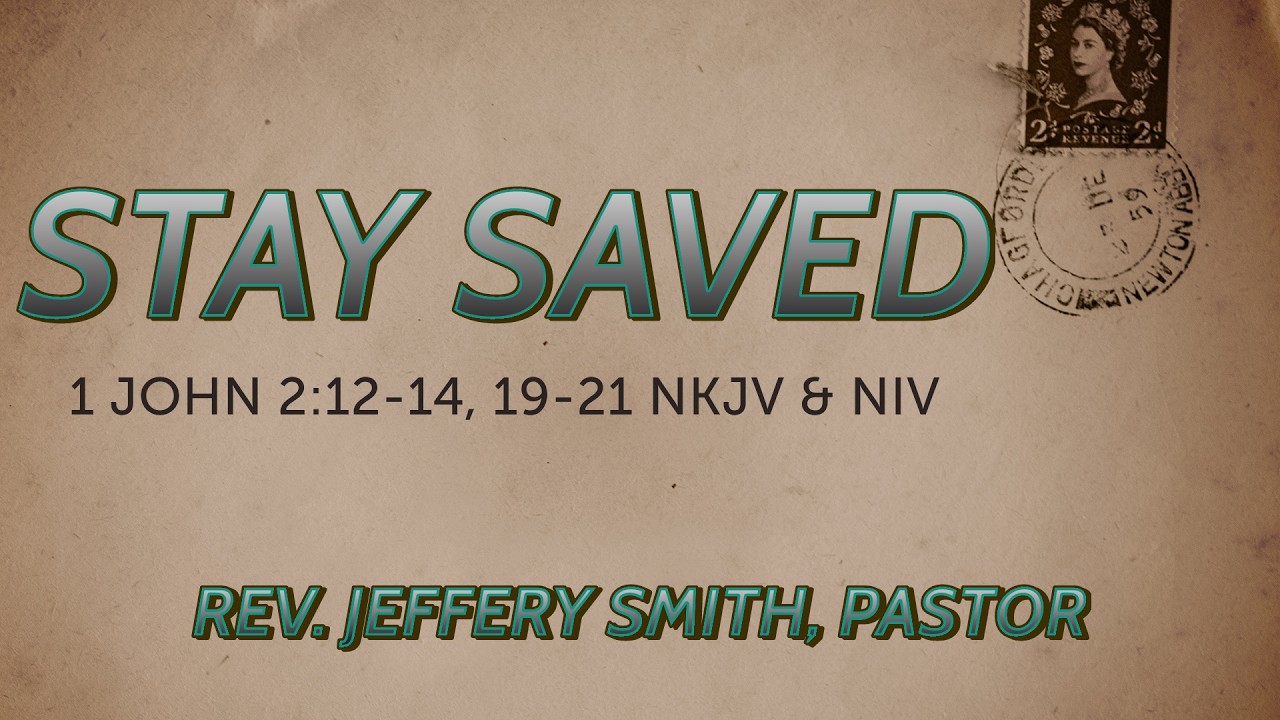
Pastor Jeffery L. Smith presents one point—the truth of salvation—then gives three reasons to stay saved: believers have already been forgiven, they know what God has done, and they have overcome the wicked one.
Using 1 John 2, Pastor Jeffery L. Smith pairs a practical warning with a theological claim. Everyday frustration can expose the struggle to live like a saved person; false teaching can distort the gospel altogether. The answer is not self-reliance, but confident faith in Christ and a life continually shaped by God's word. After the three reasons, Pastor Jeffery L. Smith identifies God's word abiding in believers as the way they remain strong and live out that victory.
The setting and theology
Context that frames the sermon
“It is both practical and theological.”
Pastor Jeffery L. Smith uses “stay saved” in two connected ways. Practically, believers face ordinary moments when frustration tempts them to act unlike the faith they confess. Theologically, genuine salvation is secure; the believer’s task is to keep living in a way that reflects the salvation already received.
“You will fall prey to pretenders.”
John’s readers had received the gospel but were being confronted by mixed religious and philosophical ideas and false theories about Jesus. Pastor Jeffery L. Smith applies that danger to self-appointed teachers whose easy, attractive claims are not substantial enough to sustain Christian life. Scripture must be read, studied, believed, and practiced so believers can recognize what merely sounds spiritual.
“It’s called soteriology.”
The sermon names its theological subject as the biblical study of salvation. Pastor Jeffery L. Smith organizes salvation as redemption—God saves from sin; restoration—God reconciles and restores relationship; and resuscitation—God gives eternal life beyond physical death. This framework leads into the sermon’s one stated point: the truth of salvation.
The preacher's framework
The three reasons he gave
“Stay saved because your sins have already been forgiven.”
John’s first assurance is not that believers have earned a clean record, but that their sins are forgiven for Christ’s name’s sake. Pastor Jeffery L. Smith ties that forgiveness to confessing the name of Jesus and honestly bringing one’s flaws, failures, faults, disobedience, and other sin before the Lord.
Forgiveness is developed through legal and redemptive language: believers are pardoned, exempted, and exonerated from the death their sin deserved because Christ bore punishment that was not his. The practical response is not casualness about sin, but grateful perseverance—stay saved because mercy has already addressed what should have condemned you.
“Your sins are forgiven.”
Pastor Jeffery L. Smith directs the promise to people who know they have missed the mark, including after conversion. Forgiveness is therefore assurance for imperfect believers, not praise for people who claim they have never needed mercy.
“Your sins are forgiven because you confessed his name.”
The sermon grounds pardon in the name of Jesus. Confession is not a vague spiritual gesture; it identifies the one through whom forgiveness and salvation are received.
“Not only are you pardoned, but you are exempt.”
Forgiveness means release from the penalty sin should have produced. Pastor Jeffery L. Smith intensifies the point by saying the forgiven person is exonerated from having to bear that penalty personally.
“Stay saved because you’ve been forgiven.”
The assurance becomes an ethical motive. Confessed sin does not have to drive the believer away from God; received forgiveness becomes a reason to remain faithful to God.
Verbatim subpoints
“Stay saved because of what you already know God has done for you.”
To have known God is more than possessing religious information. Pastor Jeffery L. Smith explains the word through experienced knowledge: creation and providence are apprehended through sight, hearing, smell, taste, touch, and—as he adds humorously—common sense. The world God made bears witness to God’s presence and provision.
The sermon then makes that knowledge personal. Believers know God through what they have seen God do in hospitals, work, finances, marriage, school, travel, and their own transformation. A changed life—what a person used to be and say compared with who that person is becoming—serves as experiential evidence that God has acted.
“It wasn’t just about the experience, but it says experience through the senses.”
Pastor Jeffery L. Smith broadens “knowing” beyond abstract belief. The sermon points to the created order—sun, clouds, rain, wind, fruit, seasons, and human life—as sensible testimony to God.
“Have you seen God work in your life?”
The question moves from general revelation to personal memory. Knowing God includes recognizing specific places where God sustained, provided, corrected, healed, or changed the believer.
“I know him because of what I used to be and what I am now.”
Transformation becomes testimony. The difference between past and present conduct is not treated as self-improvement alone, but as evidence of God’s work in the believer’s life.
Verbatim subpoints
“Stay saved because you have overcome the wicked one.”
John tells the believers that they have already overcome the wicked one. Pastor Jeffery L. Smith unfolds that victory across several dimensions: victory over sin’s penalty, sin’s controlling power, and the enemy’s claim. Satan’s final defeat is certain, but the sermon also insists that defeat can be experienced in present choices as believers say no to destructive urges and refuse to return to former patterns.
The sustaining means is the word of God abiding within. Pastor Jeffery L. Smith describes the word as God’s message whether spoken, written, or read. When it moves from the hand and page into the heart, it makes believers strong, supplies language for temptation and trouble, and equips them to overcome evil with good. The sermon closes by warning young people about pretenders and calling every believer to live like the victory is real.
“You have the victory.”
Overcoming is announced as an accomplished reality before it becomes a daily practice. Believers resist from the identity John gives them rather than trying to manufacture victory by confidence alone.
“Satan is defeated eventually and eternally, but we need to know that he can be defeated experientially.”
The sermon connects final Christian hope with daily moral decisions. Experiential victory means refusing the enemy today—in habits, relationships, places, communications, and urges that would pull a believer backward.
“The word of God abides in you.”
John links spiritual strength and overcoming to an indwelling word. Pastor Jeffery L. Smith therefore treats Bible reading and internalization as essential rather than optional religious activity.
“You are strong because the word of God abides in you.”
The believer’s strength comes from God’s message remaining active within. The sermon illustrates that inner resource with biblical commands and promises about overcoming evil, praying, adopting Christ’s mind, waiting on God, and trusting God’s greater presence.
“Start living like you won.”
The final exhortation rejects both arrogance and defeated living. Pastor Jeffery L. Smith tells the congregation to hold up the word and practice the victory it declares, then invites uncertain hearers to secure, stabilize, and become sure of their salvation.
Verbatim subpoints
- 1:31:40“Stay saved because you have overcome the wicked one.”
- 1:31:48“You have the victory.”
- 1:32:39“Satan is defeated eventually and eternally, but we need to know that he can be defeated experientially.”
- 1:34:58“The word of God abides in you.”
- 1:35:22“You are strong because the word of God abides in you.”
- 1:44:15“Start living like you won.”
Timestamped highlights
Highlighted phrases
- 1:11:21“Stay saved.”
- 1:14:16“I’m trying to stay saved.”
- 1:15:32“It is both practical and theological.”
- 1:19:10“You will fall prey to pretenders.”
- 1:22:19“It’s called soteriology.”
- 1:22:55“God saves from sin.”
- 1:23:10“God restores relationship.”
- 1:23:21“God gives eternal life.”
- 1:24:03“Stay saved because of the truth of salvation.”
- 1:24:34“Your sins are forgiven.”
- 1:25:39“Your sins are forgiven because you confessed his name.”
- 1:25:53“Not only are you pardoned, but you are exempt.”
- 1:26:52“Stay saved because you’ve been forgiven.”
- 1:27:59“It wasn’t just about the experience, but it says experience through the senses.”
- 1:29:47“Have you seen God work in your life?”
- 1:30:40“I know him because of what I used to be and what I am now.”
- 1:31:34“Stay saved because your sins have already been forgiven.”
- 1:31:37“Stay saved because of what you already know God has done for you.”
- 1:31:40“Stay saved because you have overcome the wicked one.”
- 1:31:48“You have the victory.”
- 1:32:39“Satan is defeated eventually and eternally, but we need to know that he can be defeated experientially.”
- 1:34:58“The word of God abides in you.”
- 1:35:22“You are strong because the word of God abides in you.”
- 1:36:40“Get the word of God down on the inside.”
- 1:44:15“Start living like you won.”
One-sentence takeaway